

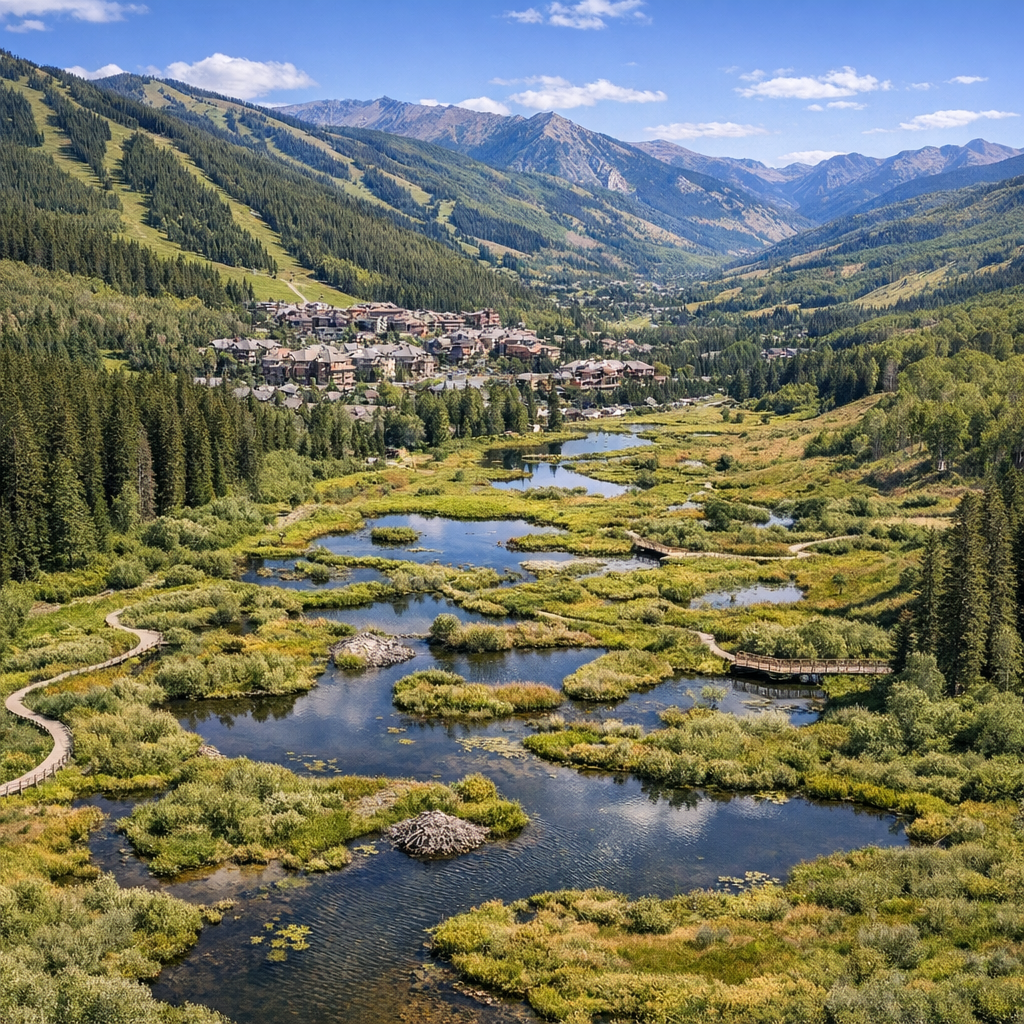
Beaver Creek, Colorado, renowned for its picturesque landscapes and vibrant community, has become a beacon of environmental restoration in recent years. The collaborative efforts to rejuvenate its natural habitats offer valuable insights for other mountain communities aiming to balance development with ecological preservation.
Restoration Initiatives in Beaver Creek
In 2024, the Kawuneeche Valley Restoration Collaborative (KVRC) initiated a significant project along Beaver Creek, a tributary to the Colorado River. This endeavor involved constructing low-tech, process-based in-stream structures designed to mimic beaver activity. These structures aim to raise the water table and reconnect the river to its floodplain, thereby revitalizing the surrounding wetlands. Within months, the impact was evident, with intentional flooding saturating areas that had remained dry for decades. This flooding has been instrumental in restoring native vegetation and enhancing wildlife habitats.
Community Engagement and Sustainable Practices
The success of Beaver Creek’s restoration is not solely attributed to structural interventions. Community engagement has played a pivotal role. Local organizations and residents have actively participated in planting native species, removing invasive plants, and monitoring ecological changes. Such involvement fosters a sense of stewardship and ensures the longevity of restoration efforts.
Moreover, local businesses have embraced sustainable practices. For instance, Beaver Run Resort has implemented comprehensive recycling programs, including guest recycling initiatives and repurposing kitchen waste into biofuel. These measures not only reduce the resort’s environmental footprint but also set a precedent for sustainable tourism in the region.
Lessons for Other Mountain Communities
Beaver Creek’s restoration journey offers several takeaways for other mountain communities:
- Collaborative Efforts: Engaging multiple stakeholders, from governmental agencies to local residents, ensures a holistic approach to restoration.
- Nature-Based Solutions: Utilizing techniques that mimic natural processes, such as beaver dam analogs, can effectively restore ecosystems.
- Community Involvement: Encouraging local participation fosters a sense of ownership and ensures the sustainability of restoration projects.
- Sustainable Tourism: Integrating eco-friendly practices within the tourism sector can balance economic growth with environmental preservation.
As mountain communities worldwide grapple with the challenges of climate change and environmental degradation, Beaver Creek’s proactive approach serves as an inspiring model. By prioritizing ecological health alongside community and economic interests, it exemplifies how restoration and development can coexist harmoniously.