

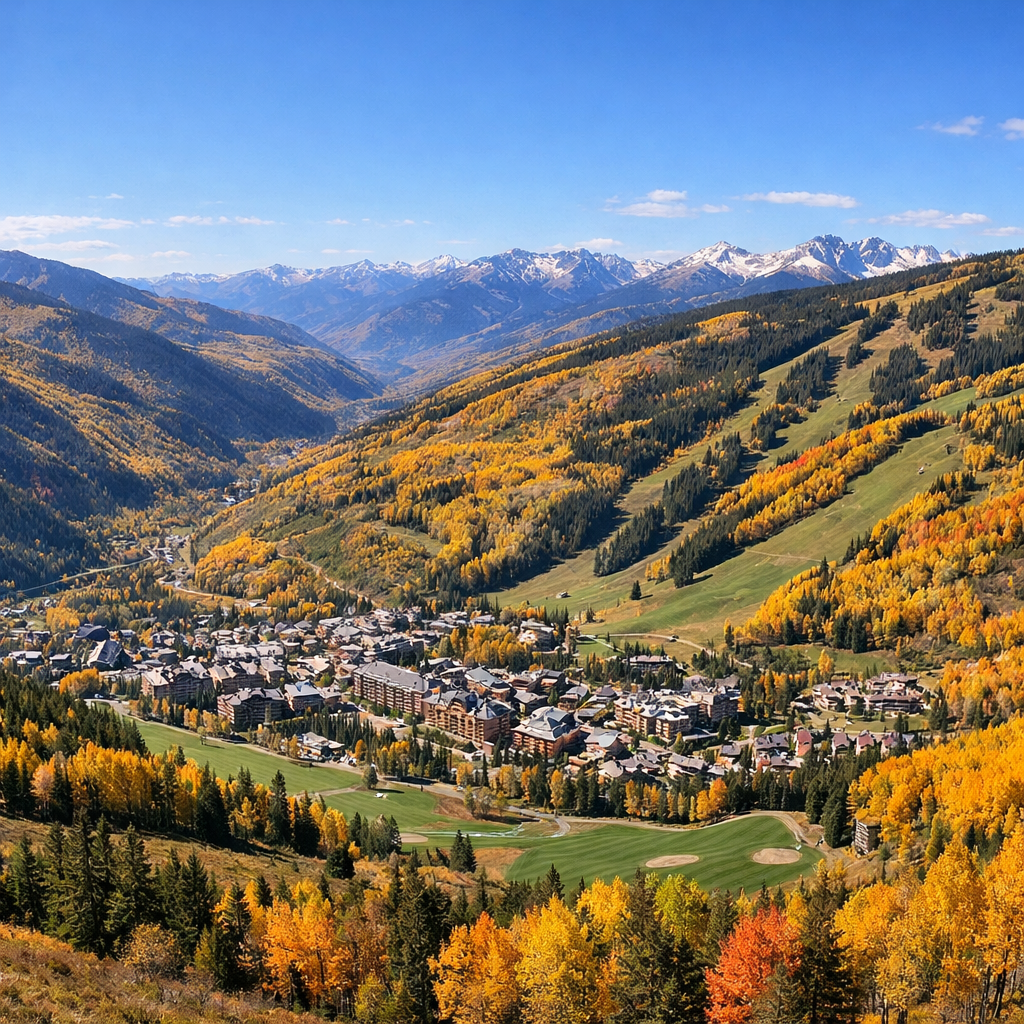
Beaver Creek, Colorado, offers a distinctive climate shaped by its high-altitude location in the Rocky Mountains. Understanding these conditions is essential for both residents and visitors to fully appreciate and safely enjoy the area’s natural beauty.
Seasonal Weather Patterns
Beaver Creek experiences four distinct seasons, each bringing unique weather conditions:
Winter
From December through February, temperatures range from average highs of 29°F (-2°C) to lows around 6°F (-14°C). The area receives an average annual snowfall of approximately 282 inches, providing excellent conditions for winter sports enthusiasts.
Spring
March through May sees a gradual warming, with average highs increasing from 43°F (6°C) in March to 61°F (16°C) in May. Spring marks the transition from snow-covered landscapes to blooming wildflowers, offering opportunities for both late-season skiing and early hiking.
Summer
June through August brings mild and pleasant weather, with average highs between 73°F (23°C) and 77°F (25°C). Nights remain cool, with lows in the 40s°F (4-9°C). This season is ideal for outdoor activities such as hiking, mountain biking, and fishing.
Fall
September through November features cooler temperatures and vibrant foliage. Average highs decrease from 67°F (19°C) in September to 39°F (4°C) in November, signaling the approach of winter.
Altitude and Its Effects
Beaver Creek’s base elevation is approximately 8,100 feet (2,470 meters), with summit elevations reaching around 11,440 feet (3,487 meters). This high altitude affects visitors in several ways:
- Reduced Oxygen Levels: Thinner air can lead to altitude sickness, characterized by symptoms such as headaches, nausea, and fatigue. It’s advisable to acclimate gradually, stay hydrated, and avoid strenuous activities upon arrival.
- Increased Sun Exposure: Higher elevations result in stronger UV radiation. Protective measures include applying broad-spectrum sunscreen, wearing UV-blocking sunglasses, and covering exposed skin.
Environmental Considerations
Beaver Creek’s environment is influenced by its mountainous terrain and climate:
- Snow Quality: The combination of cold temperatures and low humidity produces light, fluffy snow, ideal for skiing and snowboarding.
- Water Resources: The Eagle River watershed, encompassing Beaver Creek, is vital for local ecosystems and communities. Responsible water use and conservation efforts are essential to maintain water quality and availability.
By understanding Beaver Creek’s unique climate and environmental factors, residents and visitors can better prepare for and enjoy all that this remarkable region has to offer.